Tokyo Street Racing.

Emmanuel Udochukwu
August 31, 2026
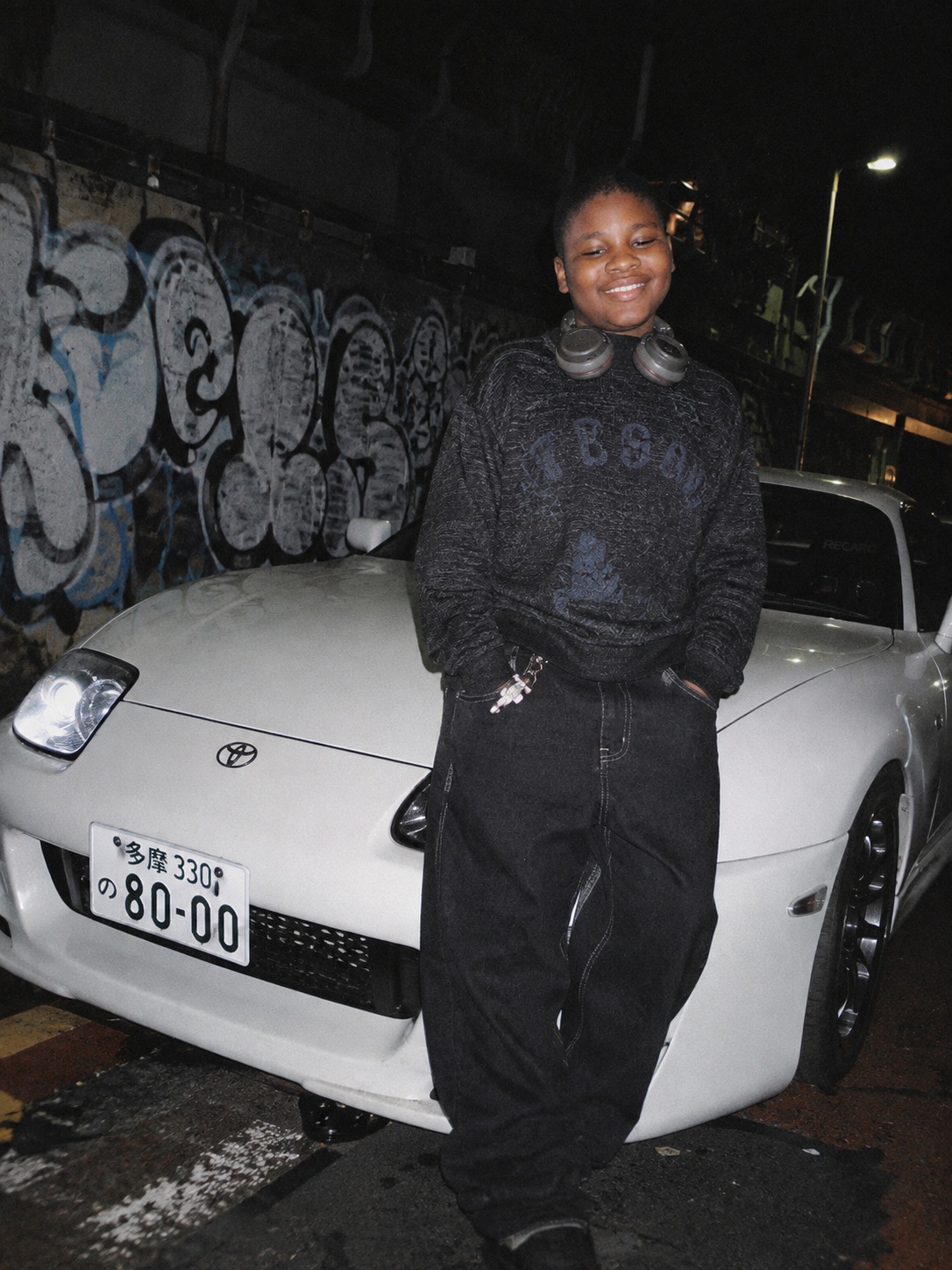
While still in the classroom, I completed Module 3, Slot 5, where I explored how AI can turn a simple reference photograph into a cinematic street-fashion scene inspired by Japanese automotive culture. This activity allowed me to experiment with the relationship between the subject, environment, clothing, lighting, and photography style.
Instead of focusing only on the person, I learned how to build an entire atmosphere around the subject. The combination of a modified Japanese sports car, a dark urban alley, graffiti, nighttime lighting, and early-2000s film aesthetics helped create a scene that feels like a moment captured from an old street-racing movie.
Prompt I Used:
Create a photorealistic nighttime editorial photograph using the uploaded face as the facial reference. Keep the subject's natural facial appearance recognizable and realistic.
Place the subject in a gritty urban alley at night, casually leaning beside a white Japanese sports coupe inspired by the classic Toyota Supra MK4. The environment should feature weathered concrete walls covered with colorful graffiti, industrial structures, dim street lighting, and subtle atmospheric haze.
Dress the subject in oversized black streetwear consisting of relaxed black jeans, a textured dark sweater, and simple street-style footwear. Give him a natural, confident stance with his hands relaxed and his body slightly turned toward the camera.
Photograph the scene with a strong direct camera flash, producing dramatic highlights, hard shadows, deep blacks, and a raw nighttime appearance. Add realistic reflections from the car's bodywork and subtle light spilling onto the surrounding pavement.
Give the photograph an authentic early-2000s disposable-camera aesthetic with moderate film grain, slight imperfections, realistic texture, and a nostalgic underground photography feel.
The final composition should feel like an authentic snapshot from Tokyo's late-night automotive scene—gritty, cinematic, rebellious, atmospheric, and realistic, while maintaining the subject's natural appearance.
What I Learned
This exercise taught me that a strong AI image prompt can create an entire atmosphere, not just a picture of a person. I learned how different elements can work together to communicate a specific time, place, and feeling.
The lighting created the dramatic nighttime mood, the car and alley established the Japanese automotive setting, while the clothing and film effects helped communicate the early-2000s street culture aesthetic.
Most importantly, I learned that successful AI image generation requires creative storytelling and precise instructions. Instead of simply describing what I wanted the subject to wear, I described the environment, camera style, lighting, mood, and visual details so that everything worked together as one complete scene.
My key takeaway from Module 3, Slot 5: AI can transform a simple photograph into an entire visual story when the prompt connects the subject, setting, style, and atmosphere together.
Instead of focusing only on the person, I learned how to build an entire atmosphere around the subject. The combination of a modified Japanese sports car, a dark urban alley, graffiti, nighttime lighting, and early-2000s film aesthetics helped create a scene that feels like a moment captured from an old street-racing movie.
Prompt I Used:
Create a photorealistic nighttime editorial photograph using the uploaded face as the facial reference. Keep the subject's natural facial appearance recognizable and realistic.
Place the subject in a gritty urban alley at night, casually leaning beside a white Japanese sports coupe inspired by the classic Toyota Supra MK4. The environment should feature weathered concrete walls covered with colorful graffiti, industrial structures, dim street lighting, and subtle atmospheric haze.
Dress the subject in oversized black streetwear consisting of relaxed black jeans, a textured dark sweater, and simple street-style footwear. Give him a natural, confident stance with his hands relaxed and his body slightly turned toward the camera.
Photograph the scene with a strong direct camera flash, producing dramatic highlights, hard shadows, deep blacks, and a raw nighttime appearance. Add realistic reflections from the car's bodywork and subtle light spilling onto the surrounding pavement.
Give the photograph an authentic early-2000s disposable-camera aesthetic with moderate film grain, slight imperfections, realistic texture, and a nostalgic underground photography feel.
The final composition should feel like an authentic snapshot from Tokyo's late-night automotive scene—gritty, cinematic, rebellious, atmospheric, and realistic, while maintaining the subject's natural appearance.
What I Learned
This exercise taught me that a strong AI image prompt can create an entire atmosphere, not just a picture of a person. I learned how different elements can work together to communicate a specific time, place, and feeling.
The lighting created the dramatic nighttime mood, the car and alley established the Japanese automotive setting, while the clothing and film effects helped communicate the early-2000s street culture aesthetic.
Most importantly, I learned that successful AI image generation requires creative storytelling and precise instructions. Instead of simply describing what I wanted the subject to wear, I described the environment, camera style, lighting, mood, and visual details so that everything worked together as one complete scene.
My key takeaway from Module 3, Slot 5: AI can transform a simple photograph into an entire visual story when the prompt connects the subject, setting, style, and atmosphere together.