Burkina Faso Will Call Colonial 'Explorers' Invaders in Its School Books

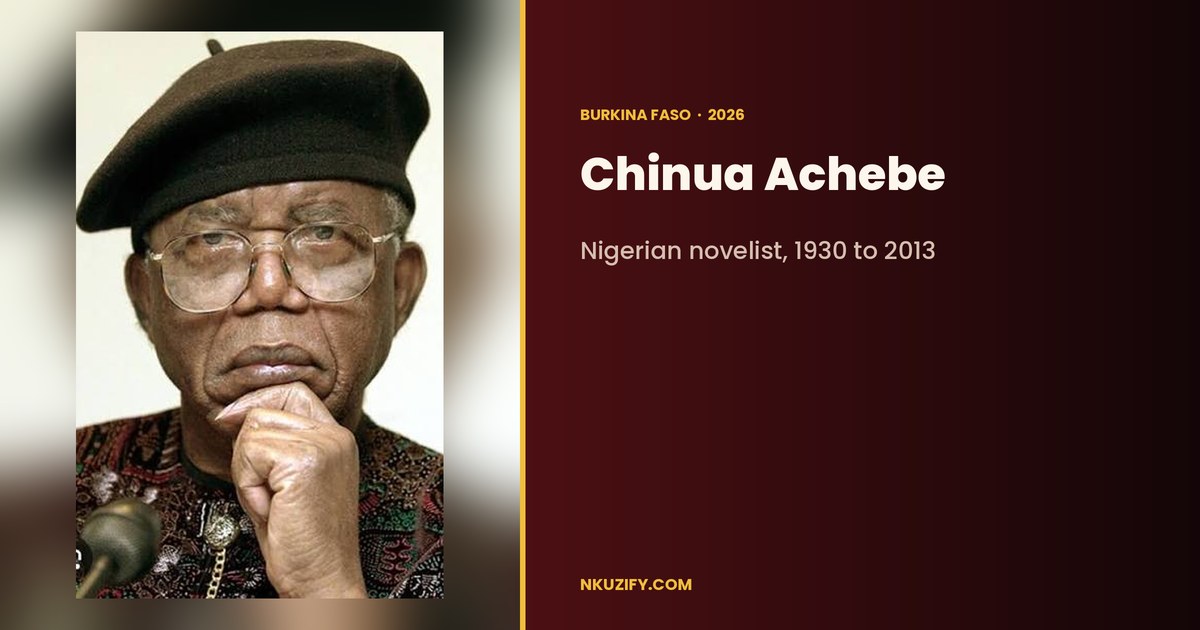
There is an old African proverb that says: until the lions learn to tell their own stories, the story of the hunt will always glorify the hunter. It is not Chinua Achebe's own, but he made it famous. In a 1994 interview with The Paris Review he called it a great proverb that had come to him late in life, and he said the telling has to be done so that the hunt is also told with the pain, the struggle and even the bravery of the lions.
That question is now being asked across Africa, in small steps in some places and in big strides in others: who has been telling the story of the hunt, and in whose words? In September 2026 it reached a school textbook in Burkina Faso.
On Monday 7 September 2026, a minister there told officials of his ministry that one word in the country's school books was wrong. The word was 'explorers'. The Europeans who came to take African land, he said, were not explorers or conquerors. They were invaders.
We want to put that to the test. What exactly was announced, who said it, and is Burkina Faso really letting the lions tell their own story? Here is what we found.
Who said it, and what was announced
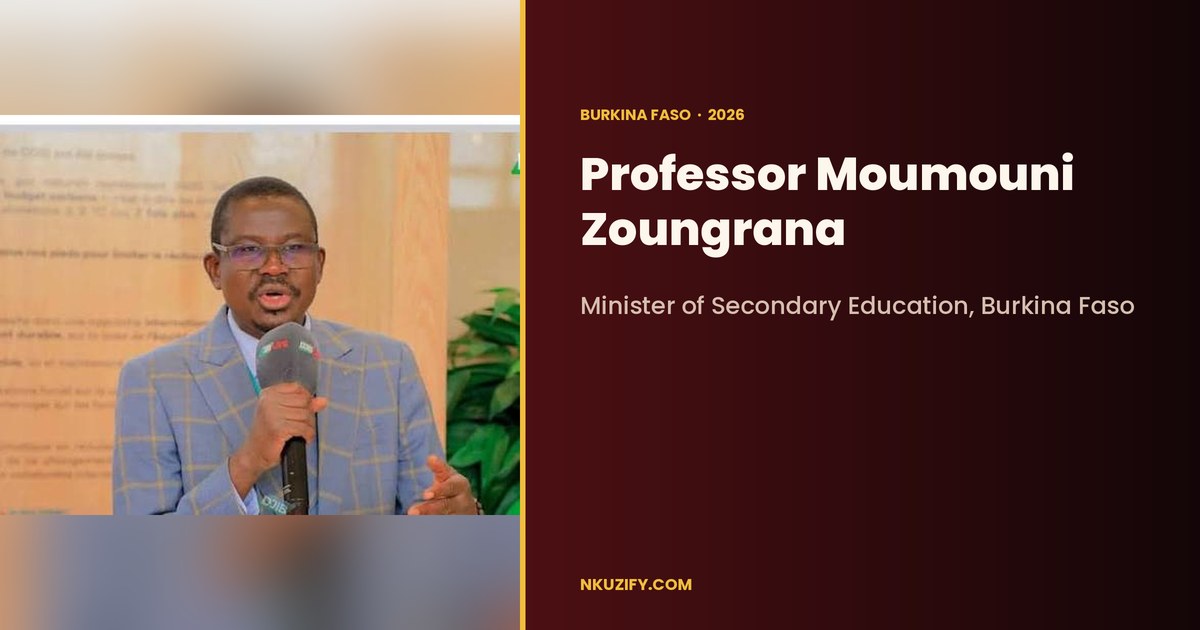
The minister is Professor Moumouni Zoungrana, who runs the Ministry of Secondary Education, Vocational and Technical Training. According to news reports, he announced a deep revision of the secondary-school programmes in history, geography and civic instruction.
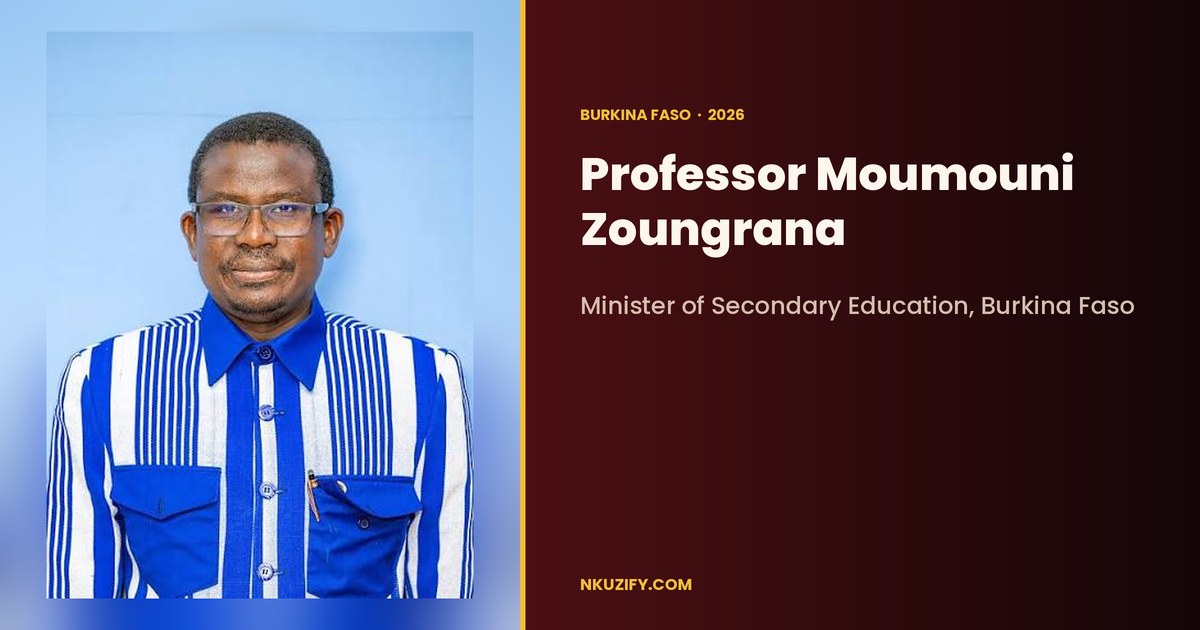
His main complaint was about vocabulary. Textbooks have long called the first Europeans to arrive explorers and conquerors. Professor Zoungrana argued that this does not match the history, that they were spies, and that the right word is invaders. He also said he wants to remove anything that makes Africans look smaller in their own story, and he calls the project the decolonisation of knowledge.
How it is meant to work
New textbooks take time, so the plan has two stages. First, the ministry is preparing a booklet for teachers. It will list the expressions to avoid, the chapters to remove and the chapters to add. Teachers are to receive it at the start of the school year, according to Pulse Côte d'Ivoire, so the 2026-2027 school year will begin with the old textbooks used together with the new guide. Second, new textbooks in line with the new approach will be produced later.
The new content is expected from the coming school year. The exact timetable, the textbooks concerned and the way the new programmes will be validated are still to be spelled out.
Why a single word matters
Think about what the word explorer says. It suggests that a place was empty until a visitor found it. Yet people already lived across the lands those visitors entered, with their own kingdoms, farms, trade routes and teachers. A child who is taught that a visitor discovered the land learns, without being told, that her own ancestors were part of the scenery.
Historians will argue about which word is best. What is harder to argue with is the question behind it: who chose the words in our children's books, and for whose benefit?
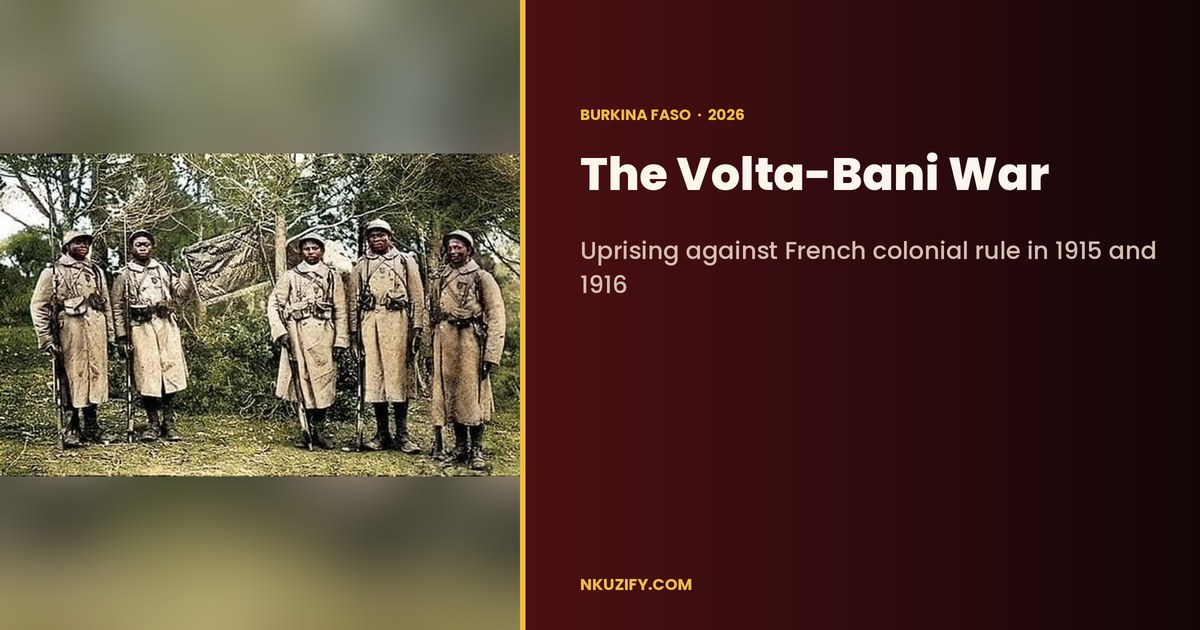
Burkina Faso's own history shows what can go missing. A report carried by AllAfrica in February 2026 explained that the Bani Volta war of 1915 to 1916, a bloody clash between French colonisers and people of the future Burkina Faso, barely appears in school history books. A researcher quoted there described it as a founding event for the country. A curriculum that leaves out such a war is already telling a story.
A second ministry, a second reform
Professor Zoungrana is not the only education minister in Burkina Faso. Jacques Sosthène Dingara runs the Ministry of Basic Education, Literacy and the Promotion of National Languages, which looks after the youngest pupils, and his reforms point the same way.
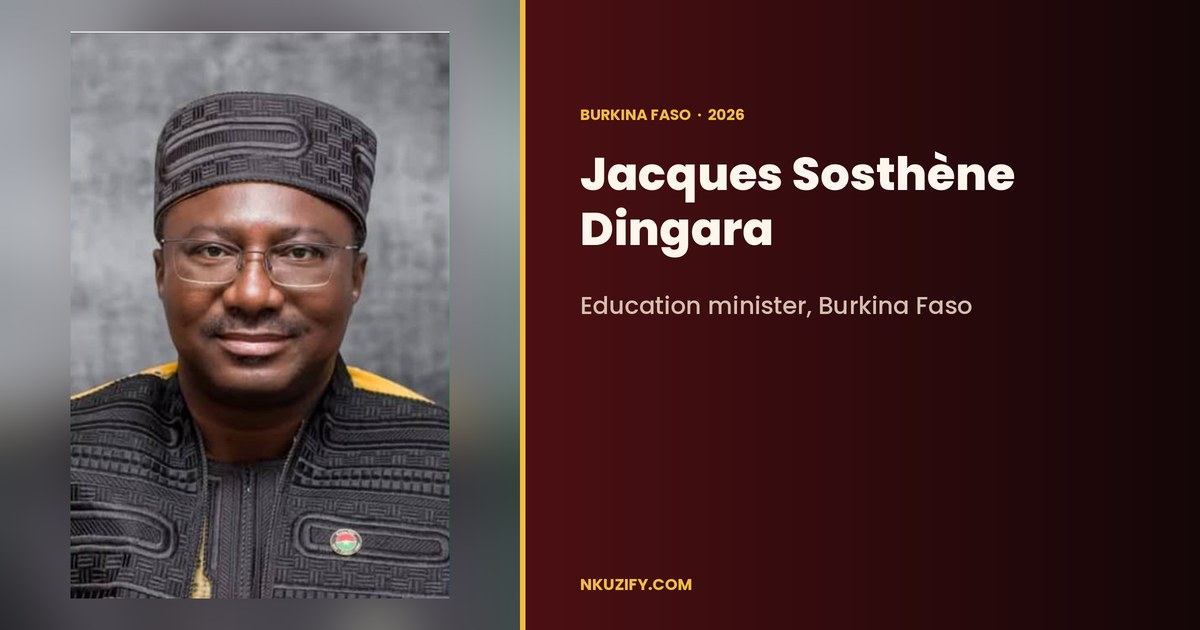
He has described a curriculum reform built on the country's own values and knowledge. In February 2026 he said about 750 classes were already teaching in national languages from the first year of primary school, and that the pilot is expected to be widened from next year. He also announced that at the coming primary-school certificate exam, the national anthem would be sung only in national languages.
Officials present these reforms as part of what they call the Progressive Popular Revolution, which they describe as being led by Captain Ibrahim Traoré. Mr Dingara has said the reforms carry out the head of state's vision of letting the youngest children grow up with a different mindset.
Where Captain Ibrahim Traoré fits
Captain Ibrahim Traoré has led Burkina Faso's transitional government since September 2022. His government has moved away from France and helped found the Alliance of Sahel States with Mali and Niger. Reports on the textbook announcement place it within that wider push to reaffirm national identity and sovereignty.
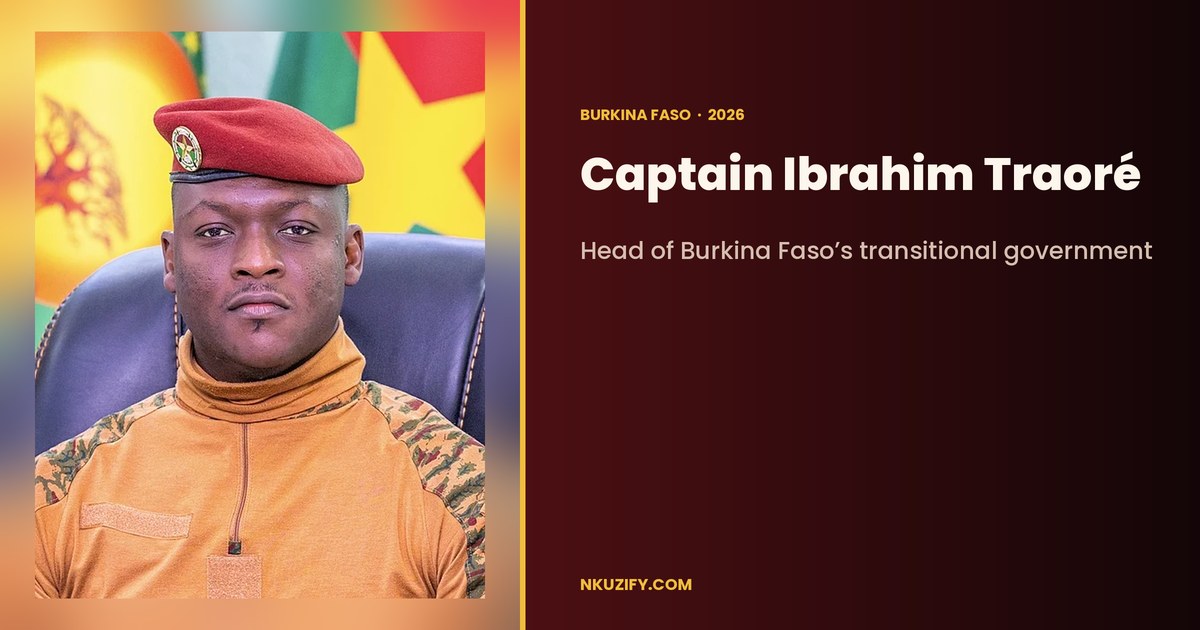
We want to be accurate here. In the reports we found about the textbook change, the words about explorers and invaders come from Professor Zoungrana and not from the captain himself. We did not find a statement from Captain Traoré on this subject, or an account of how the idea passed between the two. The closest link is the one above: the education ministers describe their reforms as carrying out his vision. If something more appears, we will add it.
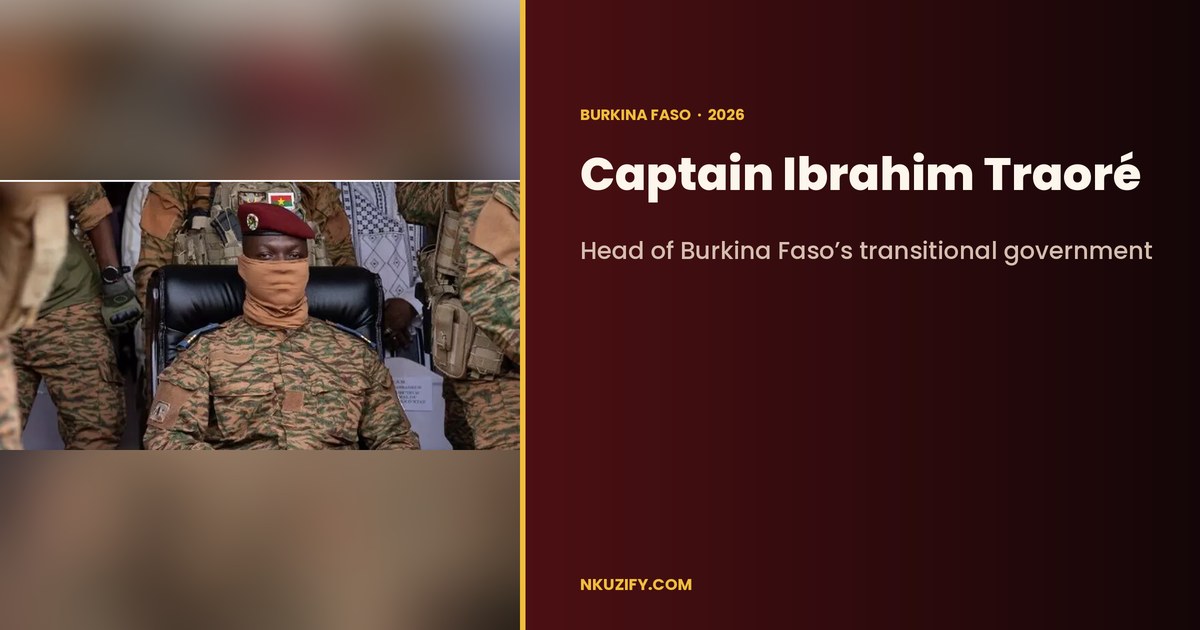
That caution deserves its own paragraph. Claims about Captain Traoré spread very fast online, and some are false. In April 2025, for example, Dubawa checked the claim that he had made education free from nursery to university and rated it false. At Nkuzify we only repeat what has a source.
What is still unclear
Several questions are open. Which chapters will go, and which will come in? Who writes the new textbooks, and who checks them? Will the teachers' booklet be published for everyone to read? And what will pupils learn in place of the old story: a fuller account of kingdoms, trade, scholarship and resistance, before and during colonisation? Until the booklet and the textbooks appear, we can judge the intention but not the result.
What this means for us
Achebe's proverb is a challenge to every teacher, not only to governments. Our founder's aim is to bring African education back to Africa, so we pay attention when an African government changes what its children read. A government can do this well, with careful scholarship, or badly, by swapping one slogan for another. The test is whether pupils end up knowing more of the truth, including the uncomfortable parts.
Many Nigerian pupils meet the same word, explorers, in their own history lessons. Here is an exercise for any teacher this week. Open the history textbook and underline the words used for the people who arrived from Europe. Ask the class who chose those words. Then ask what the people who already lived there would have called the same visitors.
That is how the lions begin to tell their own story: not by banning words, but by teaching children to ask where the words came from.
Sources
This post draws on reports from Pulse Côte d'Ivoire, APA News, Africa24 and Afriquinfos; on Sidwaya and Wakat Séra for Minister Dingara's reforms; on a February 2026 AllAfrica report on the Bani Volta war; on NPR's piece on Achebe and the proverb; and on Dubawa's fact-check.
Comments (0)