Ptahhotep: The Egyptian Vizier Who Wrote Advice For The Young
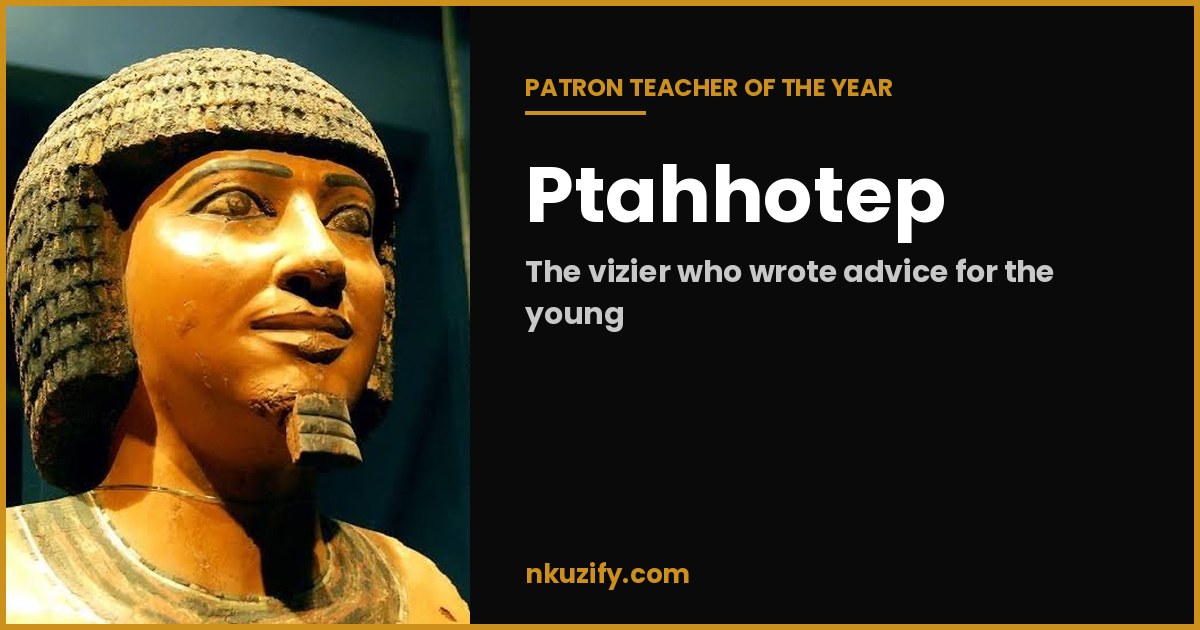
Recognised by Nkuzify as Patron Teacher of the Year.
Long before schools had bells, somebody sat down and wrote advice for the young: how to speak, how to listen, how to treat people. Tradition gives that job to Ptahhotep of ancient Egypt, and on this World Teachers' Day Nkuzify honours him as one of its patrons of teaching.
Who Was Ptahhotep?
Ptahhotep was a vizier, which means the king's first minister. Wikipedia's entry on him places him in the reign of King Djedkare Isesi, in Egypt's Fifth Dynasty, around the late 25th and early 24th century BC. He also served as the administrator of a city, and his tomb is a mastaba at North Saqqara, the same ancient burial ground where the Step Pyramid stands.
The Instruction: A Father Teaching His Son
He is best known for the Instruction that carries his name, also called The Maxims of Ptahhotep. It is written as advice from a father to his son. The story around it is that the king approved of the son taking over as vizier, but pointed out that nobody is born wise, because wisdom comes with experience. So the father wrote down what he had learned. Egyptians had a name for this kind of writing, sebayt, which means teaching.
What He Teaches
The advice is practical, and a lot of it sounds like something a good teacher says today:
- Listen first. The Instruction returns to listening again and again, and says that a person who will not listen achieves nothing.
- Do not be proud of what you know. Speak with an ordinary person the way you would speak with an expert, because nobody has mastered every skill.
- Speak well. Good speech is described as rarer than an emerald.
- Do not spread rumours. Do not repeat a slanderous rumour, and do not listen to one.
How Old Is It, And Who Wrote It?
This is where honesty matters. The opening lines name the vizier Ptahhotep under King Isesi, but Wikipedia notes that his grandson, Ptahhotep Tjefi, is traditionally credited with the collection, and that the sayings are said to have been put together in the late Old Kingdom. So the advice is ancient, while the exact date and the exact hand that first wrote it are still debated. Nkuzify names him as a patron because the tradition does, and because the teaching itself has survived.
Why Nkuzify Holds Him Up
Every teacher who tells a student to listen first is repeating something that was being written down thousands of years ago. A teacher does not only pass on facts. A teacher passes on how to behave, both when you know something and when you do not. That is why Ptahhotep stands in this line.
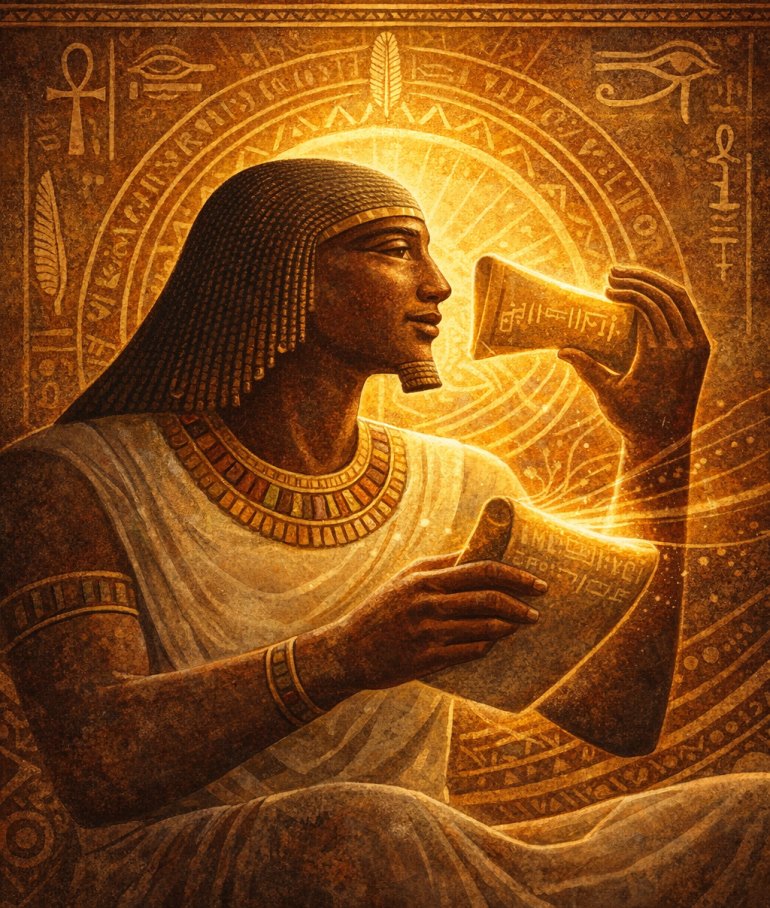
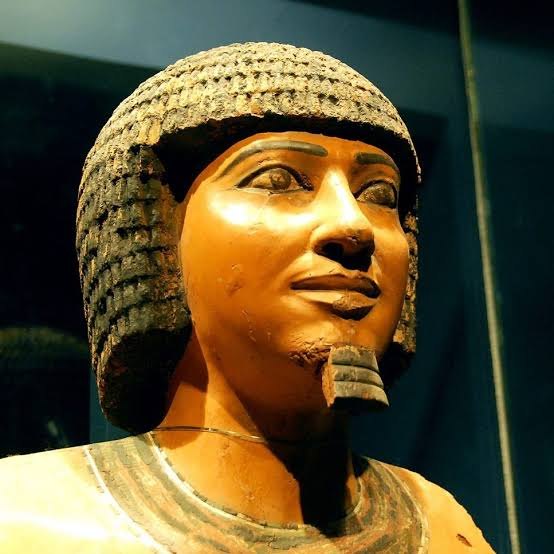
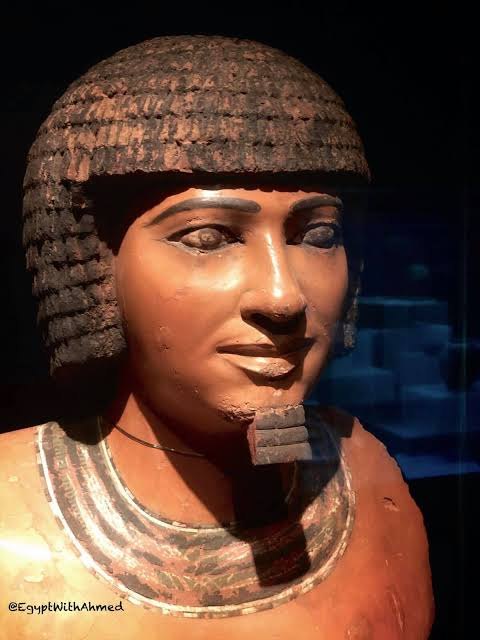
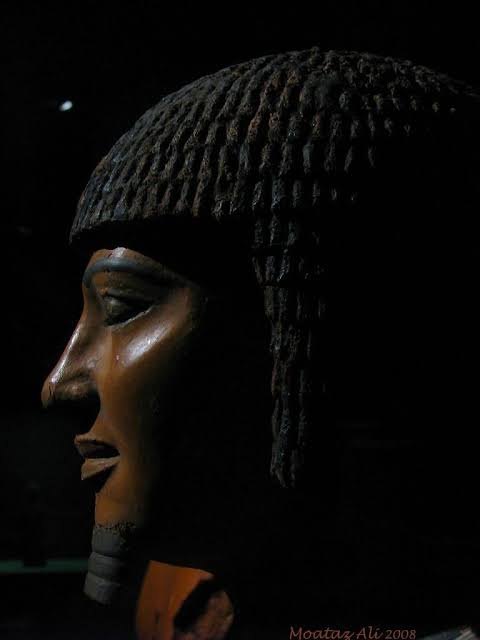
Nobody alive today knows exactly how Ptahhotep looked. The pictures on this page are illustrations.
Where this comes from: Wikipedia on Ptahhotep and on The Maxims of Ptahhotep.
Meet The Other Patrons
Imhotep, Ahmed Baba of Timbuktu, Fatima al-Fihri, Al-Farabi. You can also go back to the full list: Global Patrons Of Teaching: Imhotep, Ahmed Baba, Fatima Al-Fihri And More.
Thank You
Happy Teachers' Day to Ptahhotep, and to every teacher who keeps this long line going, from all of us at Nkuzify.
Comments (0)