Ọnwa Uzọ Alụshi (Ọnwa Alụ Kwụsị): The 13th Moon of the Igbo Calendar
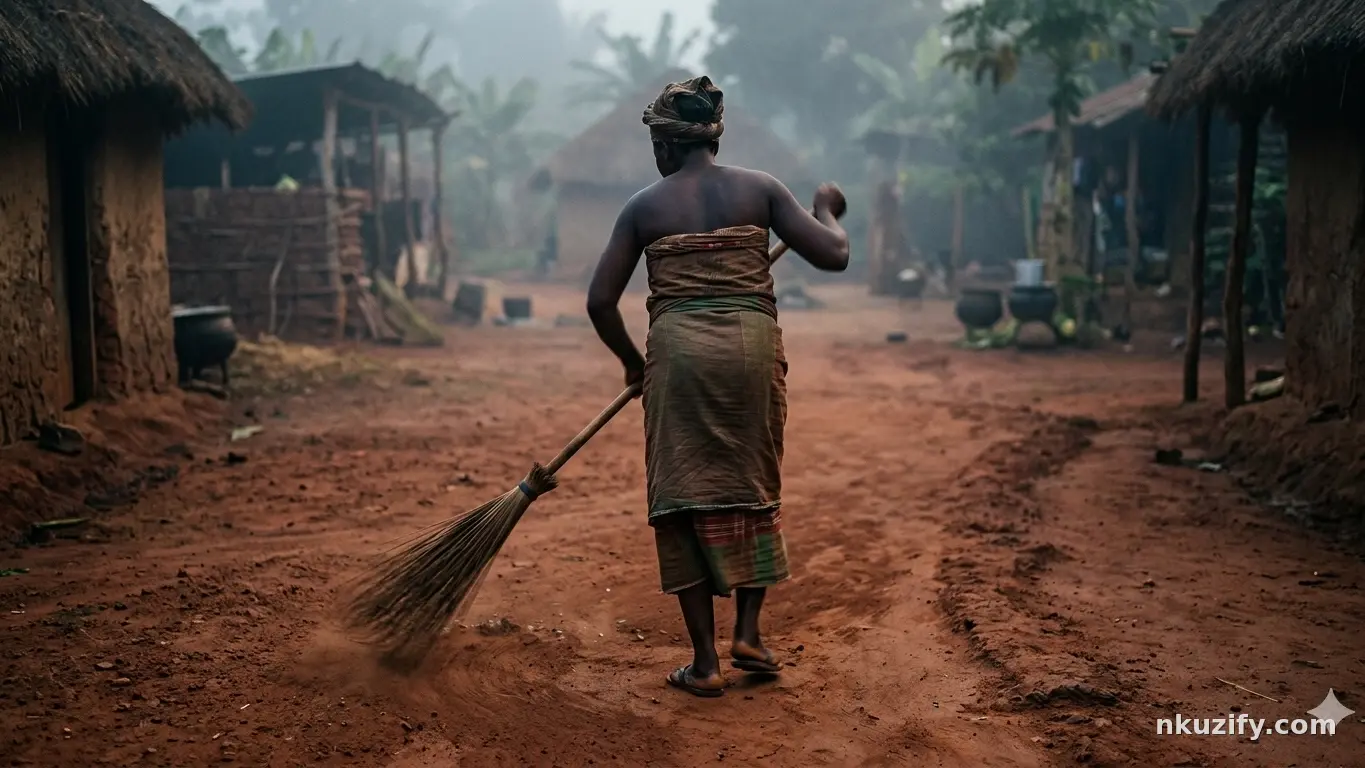
13th moon of the Igbo calendar
Ọnwa Alụshi is understood in Ọdịnani as a deeply sacred threshold period — a liminal moon where the visible and invisible worlds cooperate to reset moral, spiritual, and communal balance before the turning of the new cycle. It is not merely a “month,” but a cosmic process where Ala (the Earth force), the Alụsị (deities), ancestors, and human society align again.
The Meaning of Ọnwa Uzọ Alụshi in Ọdịnani Cosmology
In Ọdịnani, time moves in cycles, not straight lines. Each year must end with purification so that disorder (alụ), unresolved debts, and spiritual imbalance do not cross into the new cycle. Ọnwa Uzọ Alụshi is therefore:
- A closing gate between years.
- A period when spiritual authorities — Alụsị, Ndị Ichie (ancestors), and mmụọ guardians — inspect the moral condition of the land.
- A time when Ala, as keeper of morality and fertility, must be appeased and refreshed.
The phrase Ọnwa Alụ kwụsị suggests that disorder must come to an end so renewal can begin.
Spiritual Purpose: Cleansing the Earth (Ịsa Ala)
In Ọdịnani, the land is alive and morally sensitive. Actions done by humans stain or nourish it. During this moon:
- Accumulated spiritual impurities are addressed.
- Broken relationships between humans and the unseen are repaired.
- Community harmony becomes a spiritual duty, not just social preference.
This cleansing is both collective and personal.
Core Ritual Actions and Their Meaning
Ikpu Alụ — Cleansing Abomination
This is not punishment but restoration.
- Alụ represents any violation that disturbs natural order — broken oaths, injustice, disrespect to sacred laws.
- Ritual cleansing restores harmony between mmadụ (human) and Ala.
- The goal is to prevent spiritual stagnation entering the next cycle.
Spiritually, Ikpu Alụ says: “The land must breathe again.”
Ize Iwe — Removing the Anger of the Gods
In Ọdịnani, divine anger symbolizes imbalance rather than emotional rage.
- Offerings and prayers calm energetic disturbances.
- Communities acknowledge mistakes and seek correction.
- The ritual reopens channels of blessing, fertility, and protection.
Ikpochi Ọnụ Ọnwụ — Closing Death Portals
This is a profound metaphysical idea. During transitional periods, spiritual boundaries may become thin. Rituals aim to:
- Seal lingering energies of loss.
- Prevent unnecessary deaths or repeated misfortune.
- Restore separation between realms of the living and the dead.
It affirms that life must continue into the new year with protection.
Ichu Aja — Sacrifices to the Land
Aja (sacrifice) in Ọdịnani is exchange, not destruction. Offerings symbolize:
- Gratitude for survival through the cycle.
- Feeding the spiritual foundations that sustain physical life.
- Renewing covenant with Ala and local Alụsị.
It is an act of humility — acknowledging that humans are guests on sacred ground.
Reconciliation and Alignment
One of the most important aspects. Before crossing into a new spiritual year:
- Families settle conflicts.
- Debts and grudges are addressed.
- Elders mediate broken bonds.
In Ọdịnani thought, unresolved bitterness weakens communal spiritual protection.
Idozi Broken Covenants
Covenants (nkwụkọrịta) exist between:
- Individuals and deities
- Families and ancestral spirits
- Communities and the land itself
This period allows renewal of promises neglected during the year.
Igodo Alụshi — Opening or Unlocking Sacred Mysteries
“Keys” here symbolize spiritual permissions.
- Certain rituals reactivate spiritual gifts.
- Shrines may be spiritually reset.
- Priests and initiates realign with their spiritual duties.
It marks preparation for fresh responsibilities in the coming cycle.
The Deeper Philosophy Behind This Moon
Ọnwa Uzọ Alụshi teaches several core Ọdịnani truths:
- Nothing ends without cleansing.
- Disorder ignored becomes generational burden.
- Renewal requires acknowledgment, not denial.
- Spiritual cleanliness is communal, not individual alone.
It reminds people that existence is relational — humans, deities, ancestors, and land are interdependent.
Personal Spiritual Work During This Period
Traditionally encouraged practices include:
- Quiet reflection and dream observation.
- Making peace with family or lineage disputes.
- Visiting ancestral land or sacred spaces if possible.
- Offering kola or simple prayers of gratitude.
- Reaffirming one’s chi and life direction.
Symbolic Interpretation
Ọnwa Uzọ Alụshi can be seen as:
- The spiritual exhale before the new year’s inhale.
- A cosmic cleansing fire that clears unseen dust.
- The moment where endings are consciously completed.
In simple terms: Before a new year can bless you, the old year must release you. The deities cleanse not to punish, but to restore balance so life can flourish again.
Ọdịnani resets omenani in this term.
Ezeakonobi Arọh
Ọdịnani Library
Written 17 February 2026
Comments (0)