Do You Know About the Four Great Ụga of the Igbo People?
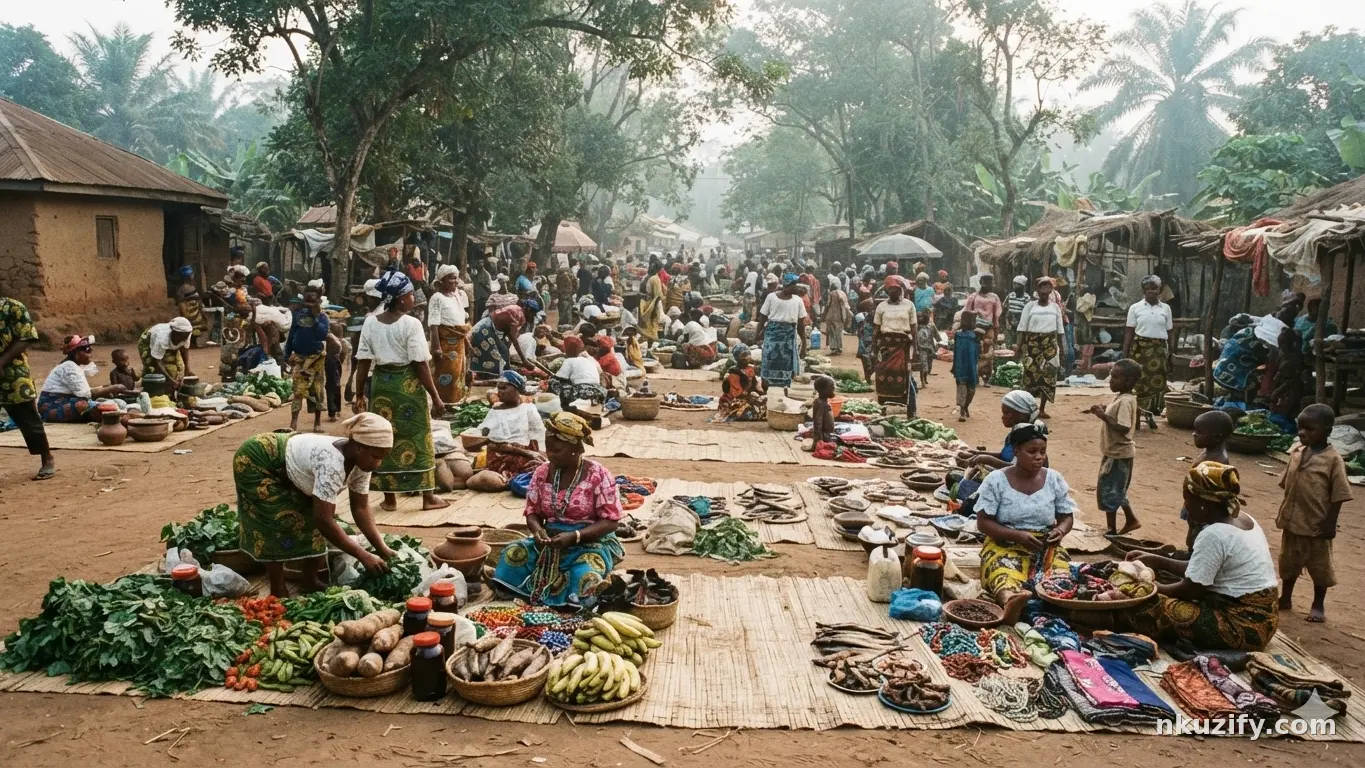
ỤGA AKA. ỤGA CHI. ỤGA ANWỤ. ỤGA AZI.
When we speak about the Igbo understanding of time, many people immediately think of Eke, Orie, Afọ, and Nkwọ—the four traditional days that form an important part of Igbo calendrical life.
But there is another, much larger conception of time in Igbo cosmological thought.
It is called ỤGA.
In the sources that discuss ỤGA as a cosmological concept, ỤGA is not simply a day, month, or ordinary measure of time. It refers to great ages or cycles of the world—different stages through which existence, human consciousness, knowledge, and the relationship between humanity and the natural and spiritual worlds are understood to have passed.
The four great world ages are:
- ỤGA AKA
Often described as the primordial or first age—associated with non-duality, profound knowledge, pure consciousness, mastery of human potential, and, in some accounts, immortality. - ỤGA CHI
The age associated with the emergence of duality and physical existence. Some accounts connect this era with the appearance of death and the development of increasingly complex human and cultural existence. - ỤGA ANWỤ
Associated with the mind, vision, prophecy, creativity, and advanced understanding of nature and energy. It is described as an age in which highly visionary or enlightened minds become particularly significant. - ỤGA AZI
Associated with the decline of consciousness—ignorance, greed, destruction, superficiality, and the loss or disregard of sacred knowledge and natural harmony.
These ideas have been explored in different ways by writers working on Igbo cosmology and sacred knowledge. John Anenechukwu Umeh, for example, devoted substantial work to Igbo traditional cosmology, sacred science, divination, and cosmic cycles in After God is Dibia.
Other contemporary Ọdịnani writers have developed the discussion further, describing the four ỤGA as great cosmic cycles that succeed one another and may themselves contain smaller consciousness seasons. One such account refers to a complete cycle as Mgba Ụga, composed of eight consciousness seasons, while the four major ages give the broader structure of the cosmic cycle.
There are also differences in interpretation. For example, contemporary writers do not all agree on whether humanity’s present condition should be identified primarily with ỤGA ANWỤ or ỤGA AZI. Some interpret the ages as successive historical eras, while others understand them simultaneously as different levels or states of consciousness.
And this is precisely why these subjects deserve to be studied rather than dismissed or reduced to a few sentences.
WHY NKUZIFY IS BRINGING THIS TO YOU
NKUZIFY—Unclezify—exists to teach, expose people to knowledge, and open our eyes to ideas that many of us may never have encountered.
We are therefore creating a dedicated space for writers whose consistency, research, and commitment to subjects like this deserve to be seen by a wider audience.
One of those writers is Ezeakonobi Arọh, whose consistent work on this subject we deeply respect.
Rather than simply telling you what to think, we want to give you the opportunity to read, explore, and engage directly with his work.
There is much more to the subject than what can fit into this introduction—the meaning of each ỤGA, the transitions between them, their relationship with consciousness, the concept of cosmic cycles, and the question of where humanity stands today.
You can read his full article here: Time Is an Illusion: Why Time Is Man-Made, but Ụga Is Divine
NKUZIFY—Teaching. Opening Eyes. Preserving Knowledge.
Comments (0)